
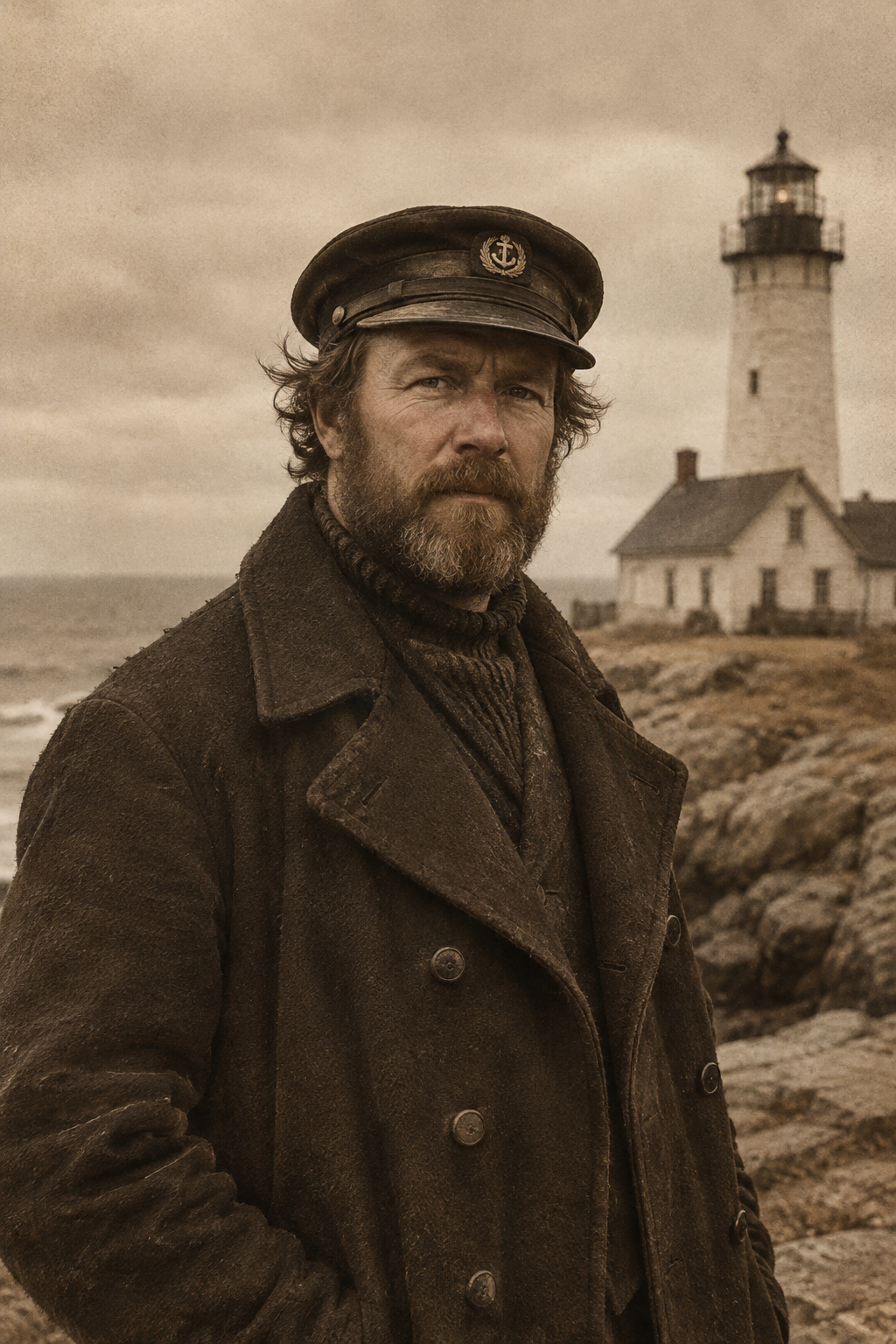
North Shoal Station
Elias Ward
Principal keeper
Turn of the twentieth century
The fog did not arrive like weather. It arrived like a wall, and our work began when the world disappeared.
Explore dated archive photographs, keeper voices, and preserved tower records that map the northern coast's navigation history.
Archive Gallery
Six preserved scenes chart working lights, weathered masonry, and the daily labor that kept northern passages visible.
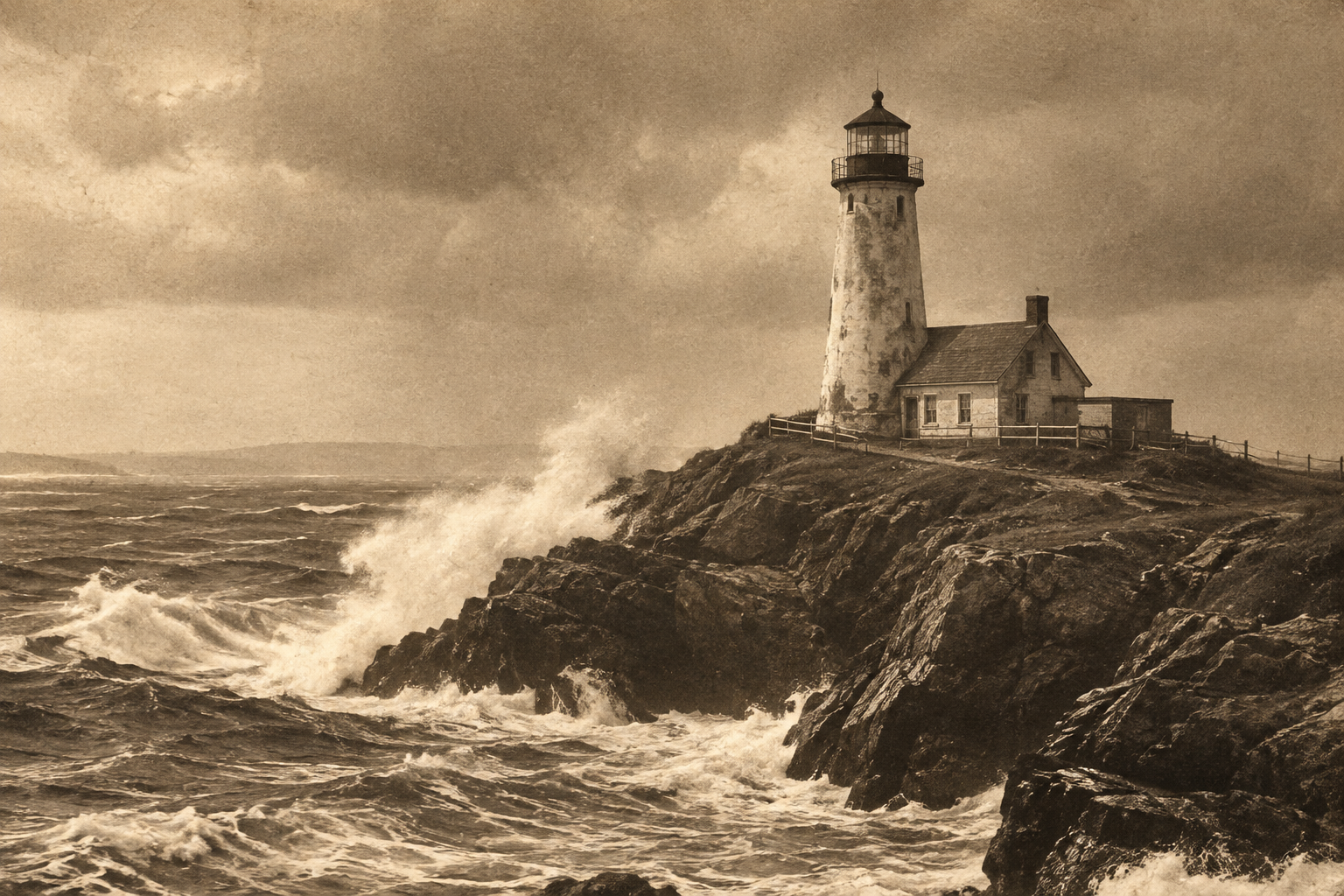
Late nineteenth century · Breakwater Point
A lantern room above a low granite headland, photographed after a winter storm.
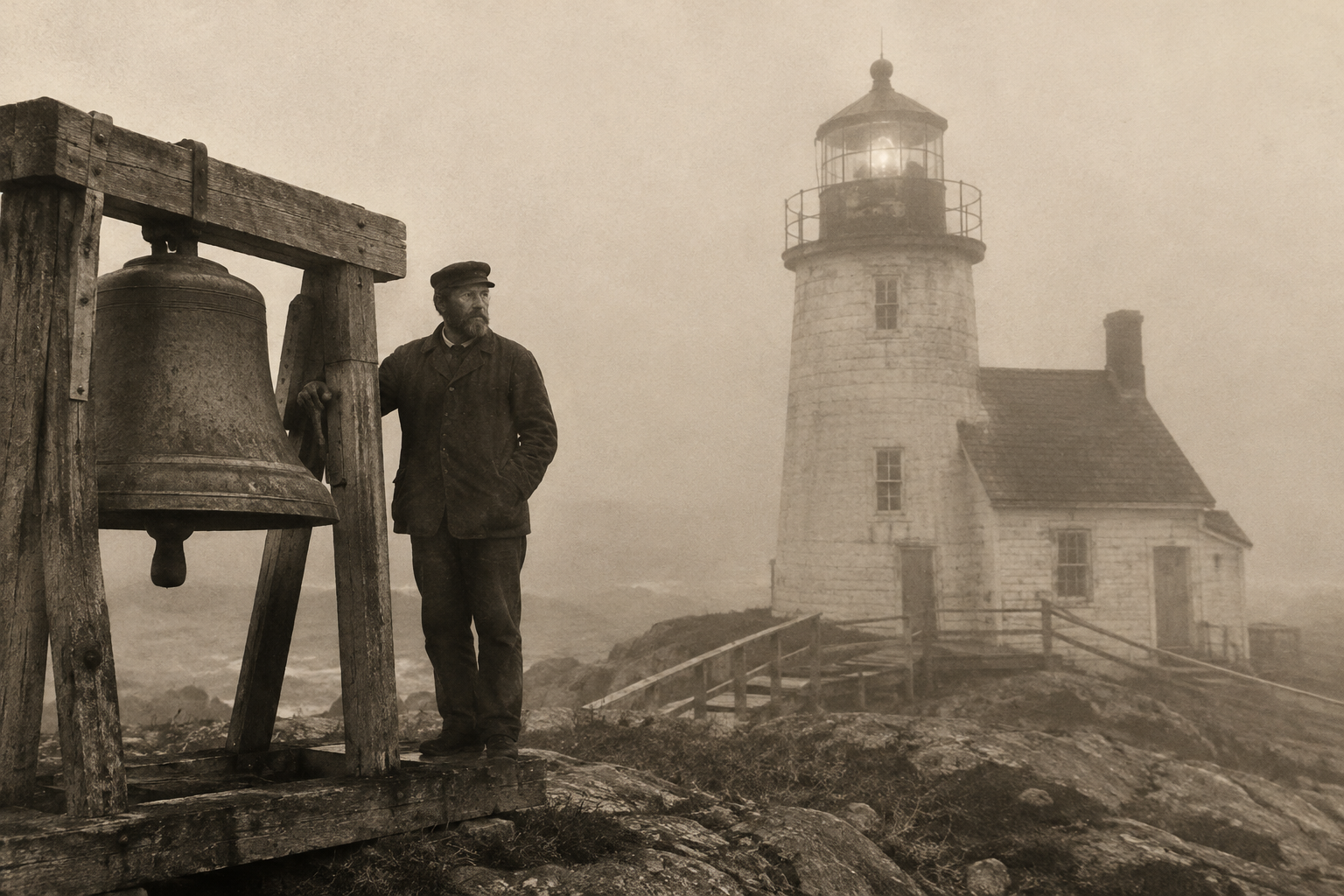
Early twentieth century · North Shoal Station
Keepers maintained a mechanical fog signal when visibility erased the horizon.
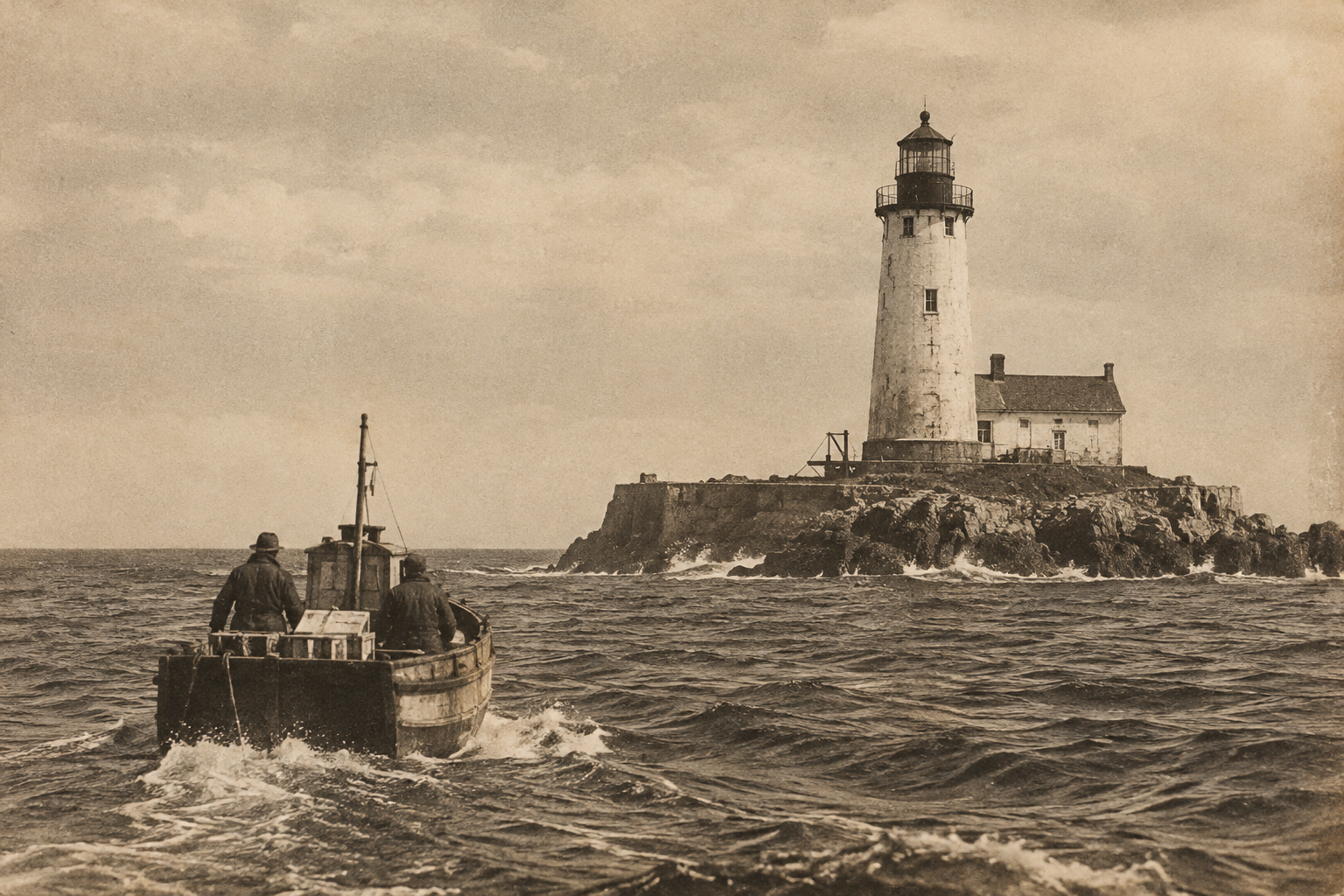
Interwar years · Outer Reach Light
Food, lamp oil, and mail arrived by small boat whenever the sea allowed passage.
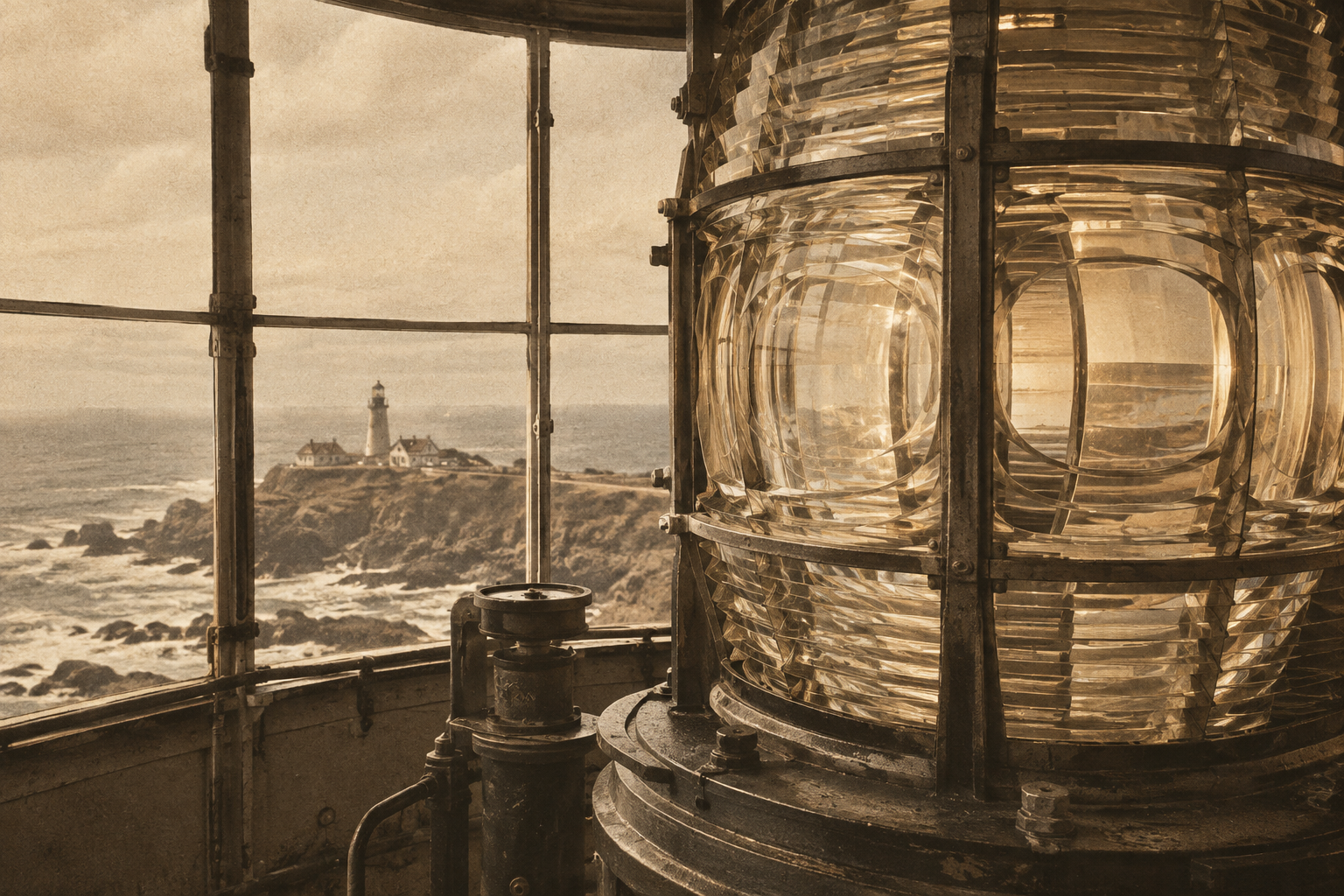
Mid-twentieth century · Cape Alder
Prisms were cleaned by hand so the beam could carry cleanly across the channel.
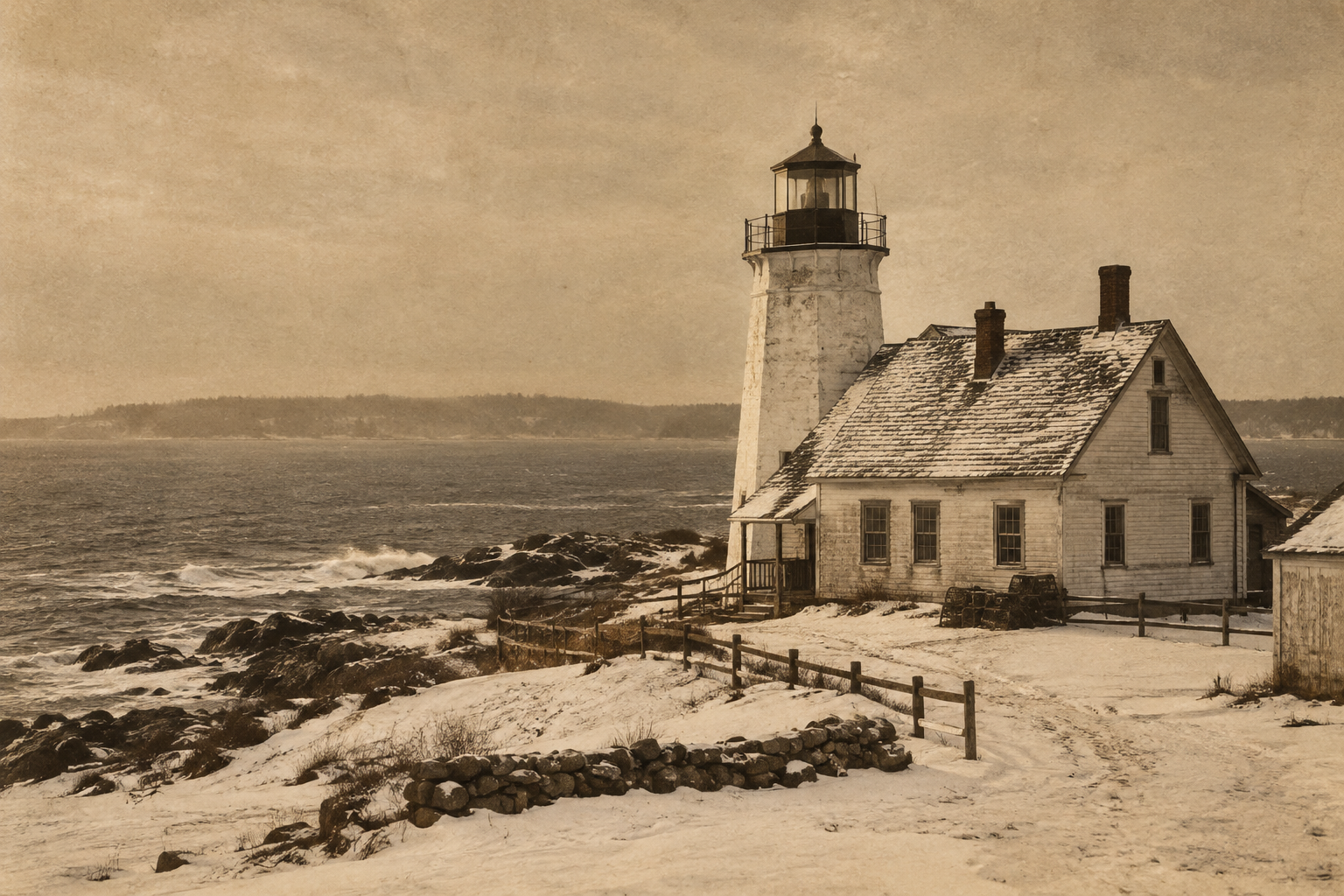
Postwar years · Greyhaven Light
The keeper’s house became classroom, workshop, and refuge through long storms.
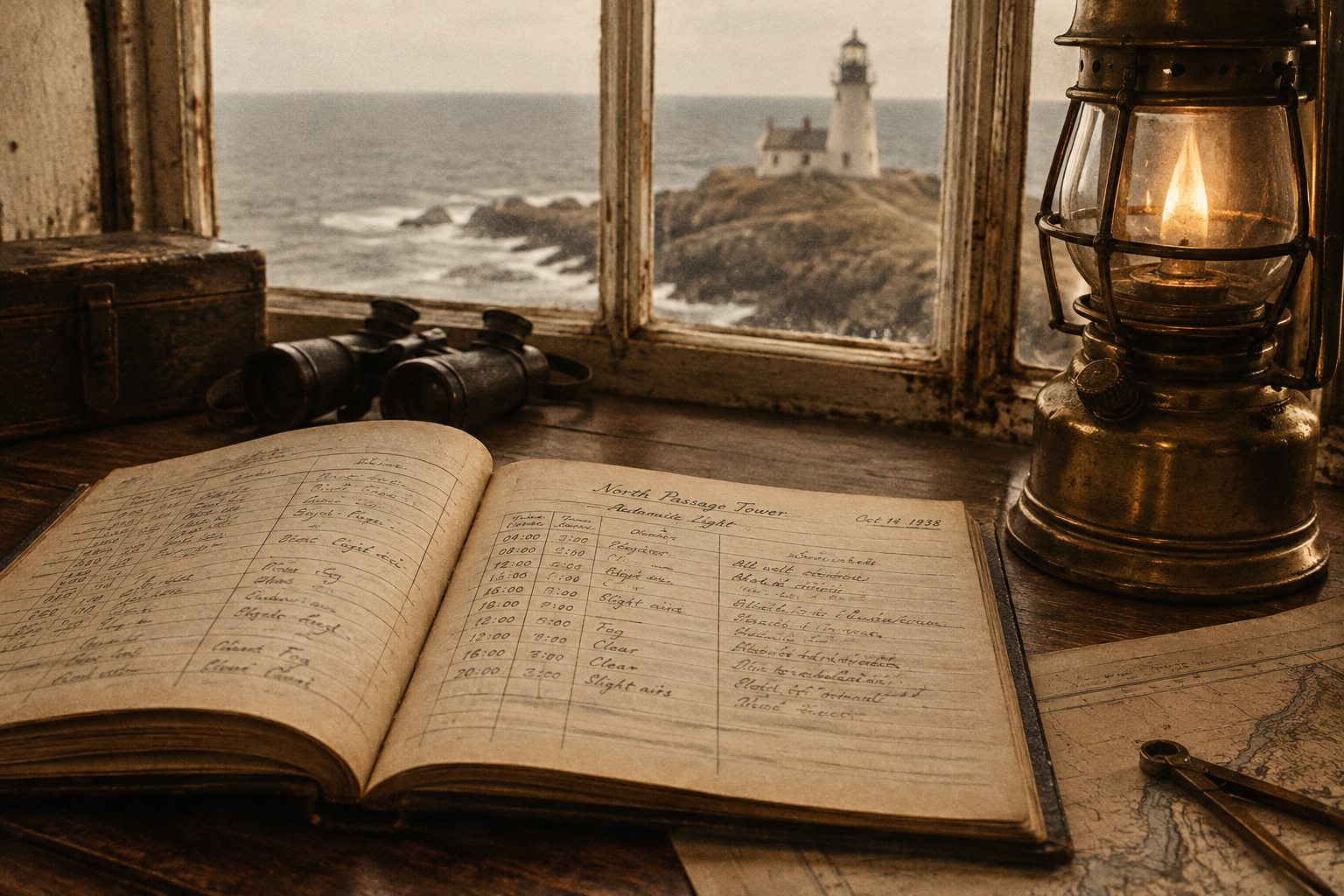
Automation era · North Passage Tower
A final handwritten entry marked the transfer from resident watch to automatic operation.
Keeper Narratives
Accounts from station logs and family recollections reveal the discipline, weather exposure, and isolation behind each preserved beacon.
North Shoal Station
Principal keeper
Turn of the twentieth century
The fog did not arrive like weather. It arrived like a wall, and our work began when the world disappeared.
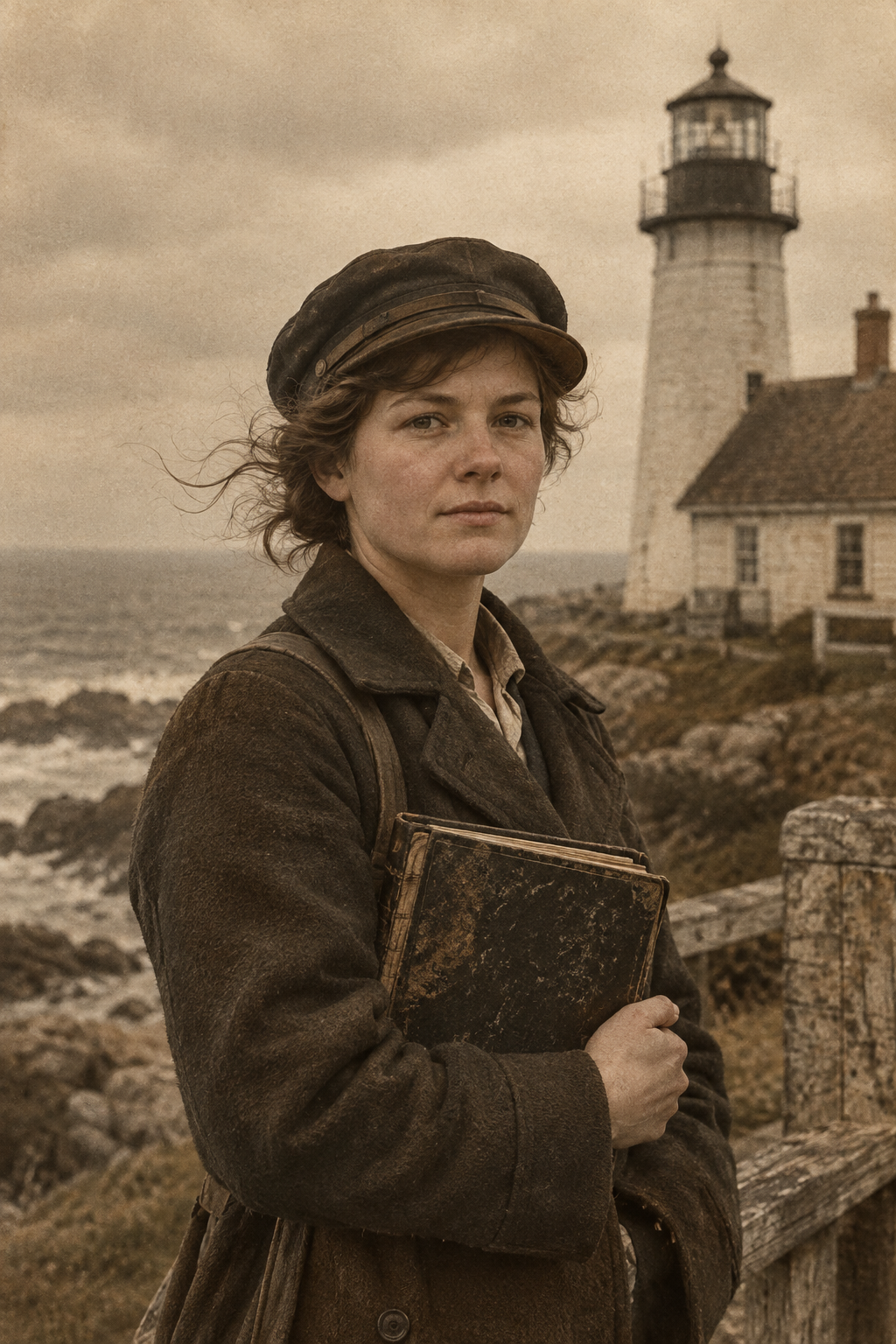
Cape Alder
Assistant keeper and log keeper
Interwar years
Every pane was polished before dusk. A thumbprint could scatter the beam, and out there a small error traveled far.
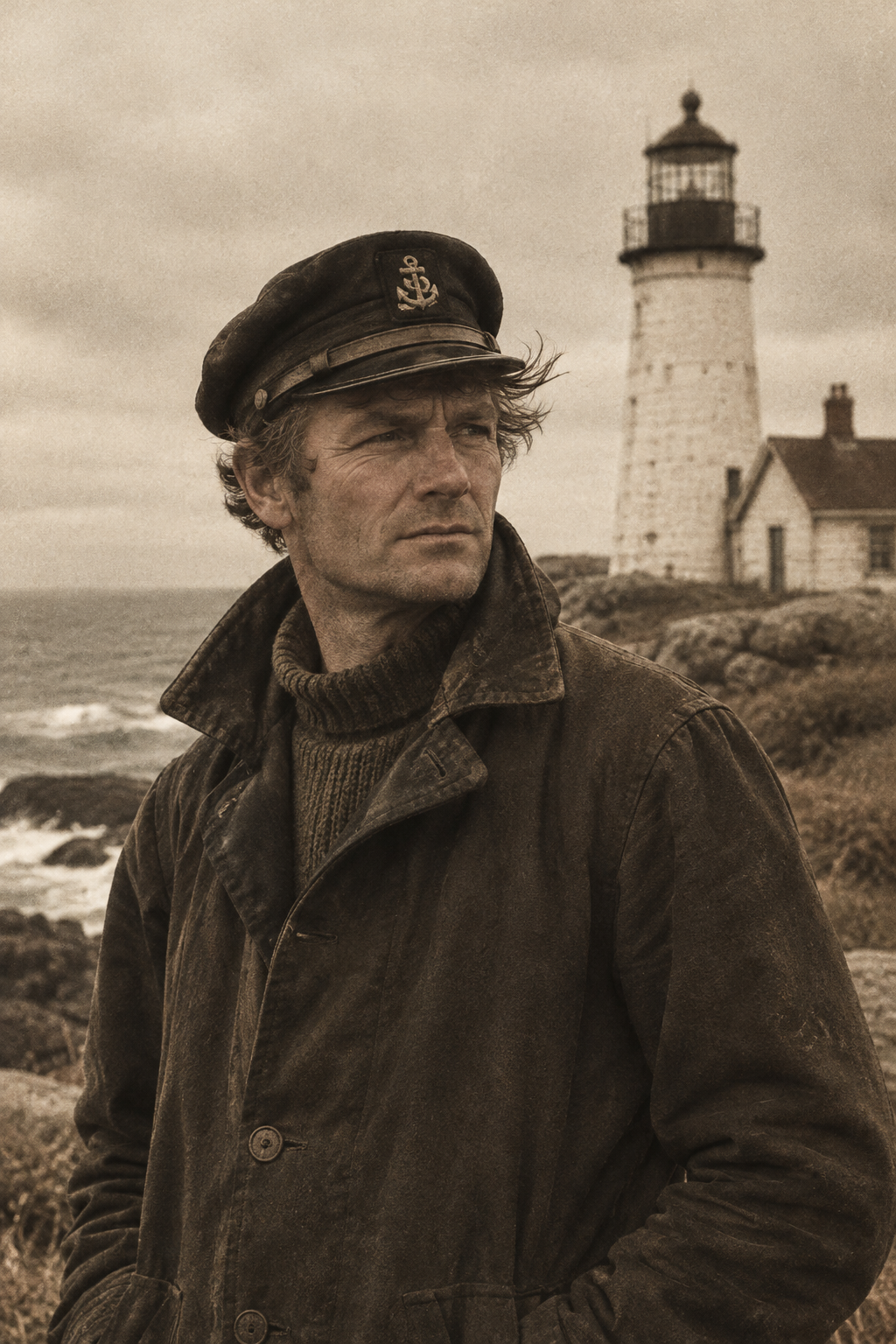
Outer Reach Light
Relief keeper
Postwar years
We measured time by supply boats, storm fronts, and the moment the lamp caught against the dark water.
Preserved Tower Directory
Illustrative coastal placement for archival reference only—markers align with the numbered directory and do not represent survey-grade coordinates.
Preservation Notes
Every surviving light station carries navigation practice, labor history, and local memory in equal measure.
Dates and narratives in this archive are presented as contextual interpretation from available records, photographs, and oral history; readers should verify details against local collections and municipal archives when conducting formal research.
Photographs, measured drawings, and oral accounts preserve evidence that restoration can otherwise erase.
Lenses, fog signals, fuel systems, and logbooks explain how a tower functioned, not only how it looked.
Family records and station logs return individual lives to structures often remembered only as silhouettes.
Paths, landings, dwellings, cisterns, and workshops reveal the complete rhythm of station life.
Resident keepers maintained fuel, lens cleaning, and weather logs as part of daily station life.
Clockwork rotation and fog-signal machinery extended consistency through long coastal nights.
Electric lamps, improved optics, and standardized servicing reshaped visibility and maintenance routines.
Remote monitoring reduced on-site crews while preserving beacon function for maritime navigation.